


Even after a repair shop fixes your vehicle, its accident history can still reduce its market value. That loss in value is called diminished value. Without the right documentation, you may not receive the compensation you’re entitled to.
A Diminished Value Appraisal from Auto Appraisal Group (AAG) gives you an independent, unbiased assessment of your vehicle’s loss. It also provides the documentation you need to hold the at-fault party’s insurance company accountable.
Jump To:
What Is Diminished Value?
Diminished value is the amount of money the at-fault insurance company owes you for reducing your vehicle’s market resale value due to its accident and repair history. Even when a shop fully completes repairs, a vehicle that has been in an accident will never be worth the same as a comparable vehicle that hasn’t. Car dealerships, potential buyers, and appraisers all take accident history into account, and that difference in value is something you have a right to recover.
What Affects How Much Diminished Value You’re Owed?
Not every accident results in the same amount of diminished value. Several factors influence how significant the loss is for your specific vehicle.
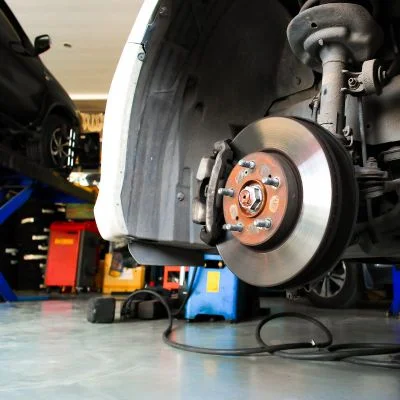
The age and mileage of your vehicle matter. Newer vehicles with lower mileage typically experience a greater dollar loss in diminished value because they had more resale value to lose in the first place. The severity of the damage is also a major factor. Significant structural or frame damage will reduce a vehicle’s value more than minor cosmetic repairs.
The quality of the repairs matters too. Repairs that use non-OEM parts or that fall short of industry standards can contribute to an even greater loss of value. Finally, the make and model of your vehicle can affect how buyers perceive accident history. Some vehicles hold their value more strongly and may take a bigger hit when an accident appears on their record.
Who Can File a Diminished Value Claim?
Diminished value claims go against the at-fault party’s insurance company. If another driver caused the accident, their insurer owes you compensation for the loss in your vehicle’s value. Most insurance policies do not pay diminished value on claims where you were at fault, so establishing that the other party caused the accident is the key factor. It is also worth understanding whether any portion of your loss that a claim does not recover may be tax-deductible, so you have a full picture of your options.
Is There a Time Limit for Filing?

Yes, and this is important. Each state has its own statute of limitations for filing a diminished value claim, and waiting too long can mean losing your right to recover that loss altogether. In many states, the window is two to three years from the date of the accident, but it varies. Once your repairs are complete, it’s a good idea to move forward with the appraisal process sooner rather than later, while documentation is still fresh and easy to gather.
What Does the Negotiation Process Look Like?
Once you have an independent appraisal report in hand, you can submit your diminished value claim to the at-fault party’s insurance company. Insurance companies will often start by offering less than what your vehicle’s diminished value actually warrants, which is exactly why an independent appraisal matters. It gives you a documented, third-party figure to stand behind rather than simply accepting whatever number the insurer puts forward.
If the insurance company disputes your claim or continues to offer less than you deserve, your appraisal report can also support your case if the matter moves to arbitration or court.
How to Get a Diminished Value Appraisal with AAG
AAG makes the process simple with three straightforward steps.
Step 1: Receive a Free Estimate Range
Start by requesting AAG’s free Diminished Value Estimate. This preliminary range looks at your vehicle and your description of the damage to help determine whether the diminished value is enough to make an official appraisal worthwhile. It gives you a clear picture before you commit to anything.
Step 2: Order the Diminished Value Appraisal
Once the free estimate confirms that moving forward makes sense, you can order the official appraisal. AAG takes a detailed look at your specific vehicle, the damages it sustained, and the repairs the shop completed, so the final assessment is as accurate as possible.
Step 3: Receive Your Independent Appraisal Report
After AAG gathers, researches, and analyzes all the information, they deliver an independent report of your vehicle’s diminished value. With that report in hand, you can effectively negotiate with the insurance company and make sure you receive the full compensation you deserve. AAG’s experts are also available to answer any questions and walk you through your report every step of the way.
Auto Appraisal Group’s Diminished Value Appraisals are widely accepted by insurance companies nationwide.
Don’t Let Diminished Value Go Unnoticed
A diminished value claim is about more than the cost of repairs. It’s about recovering the market value your vehicle lost because of its accident history. Contact AAG today to request your free Diminished Value Estimate or to schedule your Diminished Value Appraisal and make sure you get the compensation you deserve.