


When financial hardship leads to bankruptcy proceedings, debtors must disclose and accurately value every asset. For owners of antique, classic, and collector vehicles, this requires more than a price guide estimate or an online valuation tool.
Whether the vehicle is a late-model daily driver, a recently financed SUV, a non-running project, or a partially restored classic, the owner must support its value with credible market data and a defensible appraisal report. Courts, trustees, and attorneys rely on accurate documentation to evaluate assets properly within the bankruptcy process. That is where professional bankruptcy vehicle appraisals become essential.
Jump to:
Why Bankruptcy Vehicle Appraisals Are Different
A routine appraisal can establish a baseline of value for insurance, resale, or estate planning purposes. However, bankruptcy vehicle appraisals operate under a distinct legal framework.
In bankruptcy proceedings, the appraisal becomes part of the legal record. Appraisers must prepare the report in a manner that allows trustees, creditors, and the court to review and evaluate it confidently.
Several key legal distinctions apply:
1. The Valuation Must Reflect Fair Market Value in the Bankruptcy Context
Bankruptcy courts require fair market value as defined under the Bankruptcy Code. This is not replacement cost, retail asking price, or sentimental value. It represents what a willing buyer and willing seller would agree upon in the open market under current conditions.
For specialty vehicles, this determination must be supported by documented comparable sales and reasoned adjustments.
2. The Valuation Date Is Legally Fixed
The Bankruptcy Code sets the asset’s value as of the filing date of the petition. The appraiser must evaluate the vehicle based on its condition and market position on that specific date, not the inspection date.
This timing requirement can materially affect value, particularly if mileage, condition, or market conditions change after filing.
3. The Methodology Must Be Clearly Documented

Bankruptcy appraisals must demonstrate objectivity and transparency. A defensible report should clearly outline how the conclusion was reached, sources that were researched, and the factors that were considered. While detailed supporting data may be disclosed later during legal or settlement proceedings, the appraisal itself must stand on a well-supported and professionally reasoned foundation.
4. The Appraisal May Be Challenged
Creditors or trustees may review or challenge a bankruptcy valuation. Because of this, the appraiser must confidently support the methodology and conclusions presented in the report. Not all appraisers are willing to testify in court, and it is important to determine this early on.
Working with an appraiser who understands bankruptcy requirements allows the report to be prepared properly from the beginning and significantly reduces the risk of challenges, delays, or costly revisions.
How Professional Appraisals Support Legal Proceedings
A defensible appraisal report can:
- Provide clarity for trustees
- Reduce disputes between parties
- Support equitable asset division
- Protect the vehicle owner from inaccurate assumptions
- Create confidence in reported asset values
Professional documentation also demonstrates transparency and good faith during the bankruptcy process.
Valuation Challenges Across Late-Model and Specialty Vehicles
Bankruptcy vehicle appraisals involve more than just collector cars. Many cases involve late-model vehicles that were recently purchased and financed at 120 to 130 percent of their market value. In these situations, accurately determining current Fair Market Value is critical, especially when loan balances exceed actual vehicle worth.
At the same time, specialty and collector vehicles present their own valuation complexities.

Examples include:
- A barn-find classic that has not run in decades
- An in-progress or partially restored collector car
- A modified or custom-built vehicle
These vehicles are not easily valued using generic pricing guides. They require segment-specific expertise and careful evaluation of condition, originality, modifications, and market demand.
Bankruptcy vehicle appraisals must clearly explain how the value was determined and why the conclusion is reasonable. That level of analysis requires experience with both contemporary and specialty vehicles, particularly when the appraisal may become part of a legal proceeding.
Common Mistakes to Avoid
When filing for bankruptcy, vehicle owners sometimes make costly valuation mistakes:
- Using online price guides for rare vehicles
- Estimating value based on purchase price years ago
- Failing to account for incomplete restorations
- Ignoring documentation gaps
- Assuming non-running vehicles have little value
In the collector car world, even project vehicles can represent significant market value. Proper bankruptcy vehicle appraisals ensure those values are accurately reflected.
When Should You Begin Looking Into a Bankruptcy Vehicle Appraisal?
If you are considering bankruptcy or have already filed, begin researching your appraisal options early in the process. Early action allows you to determine which type of appraisal you need and whether you require a historical valuation.
Starting early helps reduce delays and ensures the appraiser documents your vehicle’s value accurately.
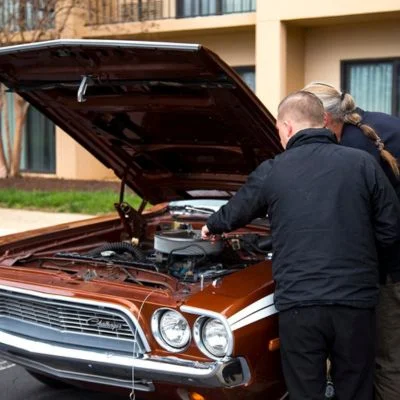
If you own:
- Antique vehicles
- Classic or muscle cars
- Collector trucks or specialty vehicles
- Non-running project cars
- Rare or limited-production models
It is especially important to ensure the vehicle is evaluated by a professional familiar with bankruptcy-specific appraisal requirements.
Every bankruptcy situation is unique. Consult your attorney to determine the best approach for your circumstances, and begin researching qualified appraisers who have experience preparing reports suitable for bankruptcy proceedings.
How Auto Appraisal Group Can Help
At Auto Appraisal Group, we have technicians who specialize in professionally documented vehicle appraisals designed to meet the demands of legal matters, including bankruptcy. We provide reports built on market-supported data and thorough documentation so they can stand up to scrutiny from trustees, attorneys, and creditors.
In addition to late-model daily drivers, we understand that vehicles may be:
- Antique or classic vehicles
- Partially restored collector cars
- Customized or modified Street Rods
- Vehicles with disputed originality or incomplete documentation
These situations require careful analysis, research, and objective reporting. At AAG, we focus on authenticity verification, condition documentation, market comparison, and accurate valuation reporting. Our goal is to establish a defensible fair market value based on real-world data, not assumptions or automated pricing tools.
Whether you are filing Chapter 7, navigating Chapter 13 negotiations, or simply need to determine the equity in your vehicle, an independent appraisal provides clarity and confidence.
We encourage you to consult with your attorney to determine the best strategy for your specific circumstances. When you are ready to establish the value of your auto, truck, or motorcycle for a bankruptcy-required appraisal, Auto Appraisal Group is here to provide the professional documentation you need.