
Buying a classic car should be exciting, not uncertain. While a vehicle may present well in photos or at first glance, hidden body repairs can significantly affect value and long-term satisfaction. Knowing what to look for helps you separate a quality example from one that may require deeper scrutiny.
At Auto Appraisal Group, we care about ensuring our customers go into potential purchases feeling informed and confident. That is especially important in the world of classic and collector vehicles, where appearance does not always tell the full story.
That is why we are going to walk through five of the most effective ways to spot questionable or poorly executed bodywork before you commit to a purchase.
Jump to:
1. Check Panel Gaps and Alignment for Signs of Repairs
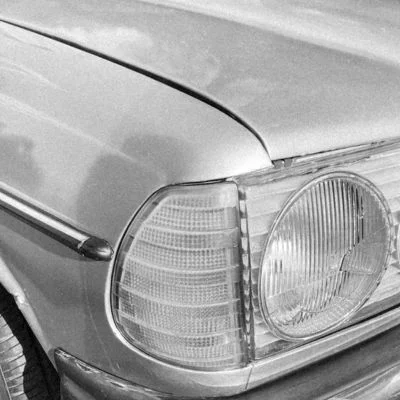
Panel alignment is one of the most telling indicators of prior repairs. Classic vehicles did not leave the factory perfectly uniform, but gaps should still appear consistent from one side to the other. Variations often suggest previous damage or improper reassembly.
What to look for:
- Uneven spacing between doors, hood, and trunk
- Doors sitting too high or too low within the opening
- Panels that appear slightly shifted or out of plane
Even minor inconsistencies can point to larger underlying issues, especially when combined with other warning signs.
For buyers considering a classic vehicle remotely, these details can be difficult to accurately assess through photos alone. Subtle alignment issues are often missed depending on angles and lighting. In these cases, having a qualified third-party inspection can help confirm whether panel fit and body alignment are consistent with the vehicle’s presentation before moving forward.
2. Inspect Paint Consistency and Look for Overspray on Classic Cars
Paintwork can reveal a great deal about a vehicle’s history. A properly refinished classic should show uniform color, texture, and coverage across all panels. Inconsistencies may indicate partial repainting or cosmetic correction following repairs.
Key indicators include:
- Slight color differences between panels
- Changes in gloss or texture
- Overspray on seals, trim, or inner panels
- Visible transitions between old and new paint
Overspray in particular often suggests the vehicle was repainted without full disassembly, which can be a sign of cost-conscious repair work.
3. Examine Trim and Brightwork Alignment on Classic Cars
Trim and brightwork should align cleanly and consistently with surrounding panels. Because these components are removed and reinstalled during body repairs, they often reveal inconsistencies that paint alone can hide.
Watch for:
- Trim that does not sit flush against the body
- Misaligned emblems or moldings
- Loose or improperly secured pieces
- New components adjacent to visibly aged originals
Properly reinstalling trim requires careful panel preparation and accurate fitment. When bodywork has been rushed or panels have been replaced, trim alignment is often one of the first areas where shortcuts become visible.
Inconsistent trim can also indicate that original components were lost or replaced during repairs, which may impact authenticity and collector value.
4. Identify Rust Indicators and Hidden Damage on Classic Vehicles
Rust remains one of the most common and costly issues in collector vehicles, and it is often intentionally concealed beneath paint or filler during cosmetic restoration.

Areas to inspect closely:
- Lower body panels and rocker panels
- Wheel arches and fender edges
- Floor pans and trunk compartments
- Window surrounds and trim edges
Warning signs include bubbling paint, uneven surfaces, or fresh coatings that may be masking corrosion.
Because rust can be both widespread and difficult to fully assess without experience, it is important to understand how it impacts value and structural integrity. For a deeper look at how to identify and evaluate corrosion, see our full guide: The Silent Value Killer in Classic Cars and How to Detect It
This is especially important when evaluating project cars or non-running vehicles, where rust issues are more common and often underreported.
5. Use a Magnet to Detect Body Filler on Classic Cars
Body filler is commonly used in repairs, but excessive use or poor application can hide rust, dents, or improperly repaired damage. Thick filler can crack over time, leading to costly corrective work. Lightly passing a magnet over body panels can reveal inconsistencies beneath the surface.
How to use this method:
- Use a small, low-strength magnet, such as a refrigerator magnet or a magnet wrapped in a soft cloth, to avoid scratching the paint
- Move it slowly across panels, especially lower sections and common repair areas
- A strong magnetic pull typically indicates solid metal
- A weak or inconsistent pull may suggest filler
- No attraction at all can indicate significant filler or non-steel materials
While this method can be helpful as a quick check, it has limitations. Some fillers still allow slight magnetism, and results can vary depending on panel material.
This is where professional evaluation becomes especially valuable. At Auto Appraisal Group, our inspectors use specialized paint meters to measure coating depth across panels. These readings help identify repainted areas, inconsistencies in finish, and sections where body filler may have been used beneath the surface. This level of analysis provides a more precise understanding of prior repairs than visual inspection or basic tools alone.
When used together, simple techniques like a magnet test and professional inspection methods can offer a much clearer picture of a vehicle’s true condition.
The Value of a Professional Inspection
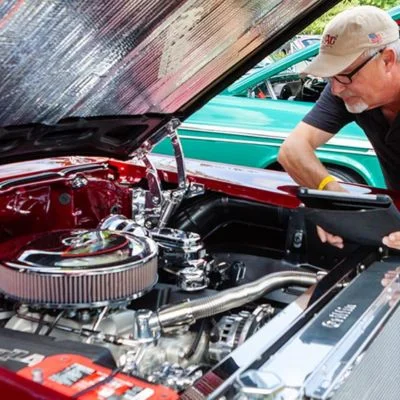
These techniques are valuable, but they require time, experience, and close access to the vehicle. That is not always possible, especially in long-distance transactions where buyers rely on photos and seller descriptions.
A Classic Car Pre-Purchase Inspection provides an objective, detailed evaluation of the vehicle’s condition, helping confirm whether what is presented aligns with reality. This is particularly important for project cars, non-running vehicles, and partially restored classics, where condition can vary widely.
How Auto Appraisal Group Can Help
Every classic car has a story. The key is understanding it before you buy. Subtle signs like uneven gaps, inconsistent paint, or irregular trim can point to past repairs that impact both value and long-term ownership experience. Identifying those signs early allows you to make informed decisions and avoid unexpected costs.
When the details matter, having a knowledgeable, independent evaluation can make all the difference.
Auto Appraisal Group’s Classic Car Pre-Purchase Inspections are tailored specifically for collector and antique vehicles. For over 30 years, we have focused on authenticity, condition accuracy, and documentation so you have a clear understanding of what you are considering.
Whether the vehicle is a raw project or a completed restoration, expert insight allows you to make informed decisions and negotiate with total confidence. For a Pre-Purchase Inspection or a valuation you can trust, call AAG today.