

Selling a vehicle can be a frustrating process. Trade it in at a dealership, and you are unlikely to receive full market value. Advertise it privately, and you face a time-consuming mix of listings, showings, and uncertain buyers. For owners of classic, antique, and collector cars, auctions offer a compelling alternative. When approached the right way, selling a car at auction can connect you with motivated, knowledgeable buyers in a compressed timeframe.
That said, auction sales are not a guaranteed win, and going in without a plan can leave money on the table. This guide covers what you need to know to sell a car at auction effectively.
Jump To:
Understand How Auction Fees Work
Before you commit to selling at auction, understand the costs involved. Auction houses typically charge sellers a commission, often referred to as a “seller’s premium” or “seller’s fee,” which is usually calculated as a percentage of the final sale price. Depending on the auction house and the type of event, this can range from around 5% to 15% or more.
Some auctions also charge entry fees, listing fees, or transportation and storage costs. Always request a full fee schedule from any auction house before you sign an agreement, and factor those costs into the minimum price you need to walk away satisfied.
Set a Reserve Price
A reserve price is the minimum amount you are willing to accept for your vehicle. Without one, your car could sell for far less than it is worth. Most reputable auction houses will allow you to set a reserve, though some may charge an additional fee to do so.
Setting the right reserve requires knowing what your vehicle is actually worth on the current market. Price guides can provide a starting point, but they often do not account for condition, originality, provenance, or recent comparable sales. A professional resale value appraisal gives you an independently established market value that reflects those specifics and gives your reserve price a solid foundation.
Not sure how vehicle value is actually determined? Our article Who Determines Classic Car Values? breaks down the factors that drive pricing in the collector car market.
Choose the Right Type of Auction
Not all auctions are the same, and matching your vehicle to the right venue matters. Here is how to think through the decision:
Live Specialty Auctions
Events hosted by Barrett-Jackson, Mecum, and RM Sotheby’s attract serious collectors and can generate strong competition for the right vehicles. These are generally best suited for high-quality classics, muscle cars, and rare collector vehicles with documented histories. The audience is knowledgeable, the atmosphere is competitive, and the bidding can be spirited.
Live Regional and General Auctions
Regional live auctions draw a broader range of buyers, including restorers, hobbyists, and parts dealers. Vehicles that need work or are being sold as project cars can often find willing buyers here, though final prices will typically reflect the condition.
Collector Car Shows and Auctions
Many major collector car auctions are held alongside well-known antique automobile shows, tours, and enthusiast events. If your vehicle has a strong connection to a specific era, make, model, or collecting niche, an auction tied to a larger collector car event may help place it in front of buyers who appreciate those details. These events can also give sellers a better sense of current market interest by seeing what similar vehicles are drawing attention.
If you are researching where upcoming collector car auctions may be held, antique automobile events can be a helpful starting point. Organizations like the AACA National Shows and Tours are worth checking when looking for major gatherings that may overlap with collector car sales, auctions, or related marketplace activity.
Online Auctions
Platforms like Bring a Trailer and Cars & Bids have expanded the reach of the collector car market considerably. Online auctions can attract buyers from across the country and beyond, but the online audience is discerning. Buyers typically expect thorough documentation, strong photography, and transparency about condition. If your vehicle has any issues, be upfront about them. Our article on common classic car scams illustrates just how quickly undisclosed problems can damage a seller’s credibility.
Document Your Vehicle Thoroughly
Across every type of auction, documentation is one of the most powerful tools a seller has. Buyers at auction often make decisions quickly. A well-documented vehicle tells a compelling story, builds trust, and can directly support a higher final bid.
The documentation that matters most will depend on your vehicle, but generally includes:
- Title and ownership history
- Maintenance records and service receipts
- Restoration records: who did the work, when, and what parts were used
- Original build documentation or factory options sheets, when available
- Photos showing the vehicle inside, outside, under the hood, and underneath
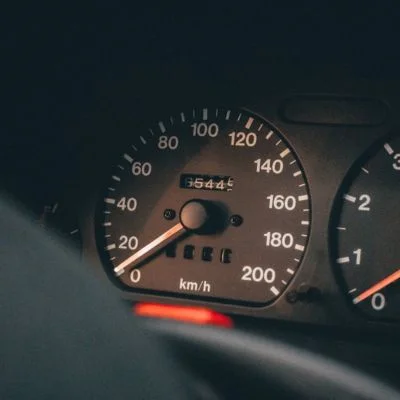
- Odometer photos
- Appraisal documentation confirming market value
For antique and vintage vehicles in particular, provenance and restoration history can significantly affect value. Our article on Why Documentation is Key for Your Classic Car’s Value explores this in detail and is worth reading before you list.
Be Honest About Condition
Auction buyers do not always expect a showroom-perfect vehicle, but they do expect an accurate one. Concealing damage, omitting known issues, or refusing to answer questions will make bidders suspicious and can depress final prices.
Take comprehensive photographs and let them tell an honest story. If your car has rust, show it. If the interior has wear, photograph it. Buyers who know what they are getting into are more comfortable bidding aggressively. Those who sense something is being hidden will hold back or walk away. For a detailed look at what experienced buyers watch for, see our guide on detecting hidden body repairs on classics.
Understand What a Sale at Auction Can and Cannot Guarantee
Auctions can move vehicles efficiently and expose them to qualified buyers. However, they do not guarantee a sale. If bidding does not meet your reserve, the car will not sell. Market conditions on the day of the auction, competing inventory, and how well your vehicle is presented all influence the outcome.
Auction is one channel among several. Depending on your vehicle and your goals, a private sale or consignment through a dealer may be a better fit. The important thing is to go into any selling process knowing your vehicle’s value, so you can evaluate offers or bids with confidence rather than guesswork.
How Auto Appraisal Group Can Help
Auto Appraisal Group has been working alongside collectors, sellers, and buyers at some of the country’s most prominent classic car events for over 30 years. Our master appraiser holds a GPPA designation with the National Auctioneers Association, and AAG agents are members of the Certified Appraisers Guild of America. Our centralized valuation database tracks millions of auction results each year, giving us real-time insight into what vehicles are actually selling for.
If you are preparing to sell a car at auction, a resale value appraisal from AAG provides an independently established market value you can use to set a confident reserve price. Our appraisal reports include an estimated market value range based on recent comparable sales, a thorough condition inspection, and documentation you can present directly to bidders.
We also offer a Document Your Auto service that captures the specific components, features, and condition of your vehicle in a format you can share with prospective buyers, without including a value figure. This is a useful complement to an appraisal for sellers who want to give bidders as much information as possible.
Contact AAG today or call 1-800-848-2886 to schedule a resale value appraisal. Our agents are located nationwide and come to your vehicle. When you know what your car is worth, you can sell it with confidence.