
Buying or selling a classic car today is easier than ever, thanks to platforms like Craigslist, Facebook Marketplace, Bring a Trailer, and countless enthusiast forums. However, with that ease comes risk: scammers are actively targeting vintage and collector vehicles due to their high value, emotional appeal, and often less standardized documentation. Whether you’re an experienced collector or a first-time vintage vehicle buyer or seller, knowing how to spot scams is essential.
Because classic vehicles often carry emotional appeal, rarity, significant value, and specialized documentation, they are particularly vulnerable. Learning how to recognize a scam can save you thousands of dollars and a whole lot of hassle.
We’ve dug into the most common classic-car scams, so you’ll get an expanded look at how they work, how to recognize them, and what steps you can take to protect yourself when buying or selling.
Jump to:
Common Classic Car Selling Scams (When You Are the Seller)
When you are the seller of a vintage vehicle, scammers may try to manipulate payment, logistics, or identity in ways that appear legitimate but are not. Here are common red flags.
ACH Transfer Fraud
In this scam, a buyer asks you (the seller) to provide their bank account information for an ACH (automated clearing house) transfer. After a few days, the buyer claims the transfer was unauthorized, and the bank reverses the transaction. Meanwhile, the seller may already have released the vehicle or otherwise committed. The result: you lose both the vehicle and the funds.
Avoid this Scam: Do not provide account details to unverified buyers, and always verify receipt of cleared funds before releasing the vehicle.
Fake Mobile Deposits
In a similar scam, the buyer requests login information or access to your mobile banking app under the pretense of depositing funds. Instead, the buyer initiates a transfer out of your account. There is never a legitimate reason for a buyer to access your banking login or app.
Avoid this Scam: Never provide banking credentials or allow the other party access to your banking apps. Treat this as an instant red flag.
Deferred Payments or Loans
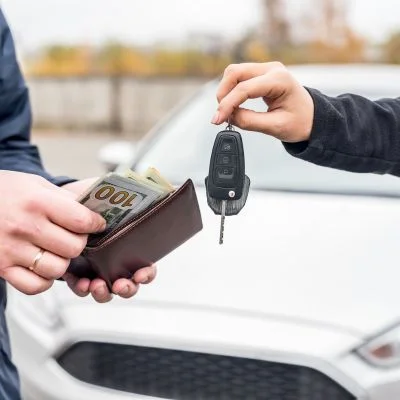
A scammer may say they want the vehicle but can only pay in full after a paycheck, settlement, or upcoming transfer clears. They might offer a small deposit and ask you to “hold the car,” or request that you temporarily cover part of the sale amount with the promise they’ll repay you. If the seller agrees and releases the vehicle (or if the payment isn’t secured through a trusted escrow service), the scammer disappears and never sends the remaining funds. This leaves the seller with no payment and no vehicle.
Avoid this Scam: If any payment is deferred, partial, or relies on “future funds,” treat the sale with caution. Insist funds clear before transfer of title or vehicle.
AAG Tip: We never recommend getting involved in deferred payment situations. If you have a buyer offering a small deposit with promises to pay later when funds come through, we recommend finding another buyer.
Overpayment
In this scam, the buyer sends a check or money order for more than the agreed price and asks you to refund the difference. Later, it turns out the initial payment was fraudulent or counterfeit, and YOU are responsible for the refund.
Avoid this Scam: If a buyer “accidentally” overpays and demands a refund, stop immediately. It’s a classic scam scenario.
Fake Shipping Agents
In some cases, the buyer claims a shipping company will pick up the vehicle. The seller is asked to pay the shipping company (or an agent) upfront (via wire, gift card, or crypto) or send the vehicle before payment is fully verified. The shipping company doesn’t exist, or is part of the scam.
Avoid this Scam: If you are shipping a vehicle out of state, work directly with trusted, verified carriers. Do not pay a third-party “agent” recommended by the buyer without independent verification.
Tips for Selling Safely
While most buyers are honest, following these steps can help you avoid major losses:
- Meet potential buyers in a public, well-lit location.
- Bring another person along for safety and accountability.
- Verify the buyer’s identity (driver’s license, contact details) before letting them test-drive or inspect the vehicle.
- Accompany all test drives and establish the route and terms.
- Accept only certified funds or payment methods that can be verified with the issuing institution. For distant buyers, use an escrow service you choose, not one proposed solely by the buyer.
- Trust your instincts: if something feels off, walk away.
Common Classic Car Buying Scams (When You Are the Buyer)
As a buyer, you face a different set of risks, particularly when buying long-distance or sight-unseen. Here are the common scam types to understand and be wary of.
Too-Good-To-Be-True Pricing
Scammers often post rare or desirable classics at unbelievably low prices, stealing photos from legitimate listings. When you contact them, you learn the car is “out of state” or “overseas,” and you’re asked to send a deposit or pay for shipping first. Of course, if you do send any “deposits” or “shipping fees,” you’ll never see that money again.
Avoid this Scam: If a listing is far below market value and the seller refuses a local inspection or meeting, it’s almost certainly a scam.
AAG Tip: If you find a listing that is too good to be true, a preliminary investigation can quickly unveil the seller’s legitimacy. In the age of AI, scammers can easily copy information from legitimate dealers, but you can use technology to your advantage as well. Check the location of the dealership on Google Maps. Using the “Browse Street View Images” tool, you can check to see if a dealership is actually at the location. Calling the “dealership” and reading reviews are other surefire ways to sniff out a scam. Of course, the most foolproof way to ensure the car is real is to get a third-party pre-purchase inspection.
Fake Escrow Services
A seller claims they will use an escrow service to protect both parties, but the trick is that the escrow website is fake and controlled by the seller. You send funds, the car is never shipped, and you cannot recover your money.
Avoid this scam: Independently verify any escrow service’s legitimacy. Do not click links provided by the seller without doing your own research.
Pressure, Urgency & Emotional Manipulation
Scammers often say things like: “Other buyers are ready,” “I have to sell today,” or “I’m deployed overseas so I need the funds now.” These messages are designed to make you act hastily and skip due diligence. If you rush into a purchase, the scammer can sell you a car that is not in the condition advertised, or sell you a car that doesn’t exist.
Avoid this Scam: Never allow urgency to override verification. A legitimate seller will allow you a reasonable period to vet the transaction.
Buying Sight Unseen
Some sellers claim you don’t need to see the vehicle, or provide a “report” instead. They may refuse to meet in person, say they’re “out of the country,” or promise to ship the car once payment is received. The car may not exist at all. The Federal Trade Commission (FTC) specifically warns against this kind of scam.
Avoid this Scam: Always inspect the vehicle in person. If that is impossible, hire a trusted independent pre-purchase inspection.
Title Fraud & Hidden Liens
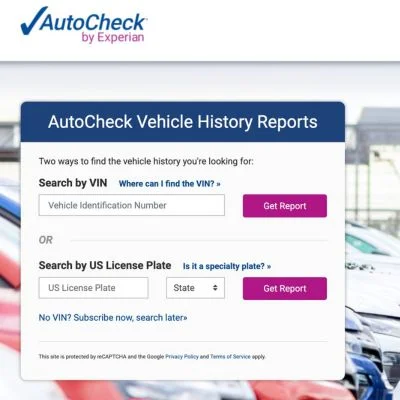
A seller may hide the fact that the car has a salvage or rebuilt title, flood damage, an undisclosed lien, or is not the legal owner. Once you’ve paid and taken delivery, you may find you cannot register the car, or the lien is claimed against you.
Avoid this Scam: Verify the seller’s name matches the title, run checks for liens, and obtain the vehicle history report.
AAG Tip: The FTC cautions sellers and buyers about bogus vehicle-history report websites. We recommend using official providers.
Commonly used vehicle-history report websites:
Checking a vehicle’s car history is not a substitute for a pre-purchase inspection, but it’s a good way to start on the right foot when beginning a car purchase.
Fake VINs or VIN Cloning
Some listings provide a VIN that doesn’t match the vehicle, or the plate has been altered. The car may have been stolen, or the VIN might correspond to a less valuable car.
Avoid this Scam: Request the VIN early in the process. Verify that casting numbers, trim tags, engine numbers, and documentation all align. If the seller resists or gives excuses, walk away.
Tips for Buying Safely
When purchasing a vintage vehicle, follow these best practices to protect your investment:
- Perform a vehicle history check to uncover title issues, odometer fraud, or salvage history.
- Research the seller: search their phone number, address, email, and reputation. Look for reviews or complaints online.
- Verify the condition in person, or if impossible, hire a trusted third-party inspector. The FTC recommends a mechanical inspection even if the car is “certified.”
- Secure payment: Avoid wire transfers, gift cards, or crypto. Use a trusted escrow for long-distance transactions.
- Trust your instincts: If something feels off, including if the seller refuses standard checks or inspections, it’s likely a scam.
Why Vintage & Classic Vehicles Attract Scams
Classic cars, especially those built from the 1950s onward, have unique attributes that make them especially vulnerable to fraud. They often have high value, historical provenance, and originality concerns (matching numbers, original paint, correct parts). Many buyers may be less familiar with what constitutes “original,” “restoration,” or “barn-find” condition, which makes them more susceptible to misrepresentation. Additionally, since fewer such vehicles change hands and documentation may be less standardized, scammers see an opportunity.
Combined with the growth of online marketplaces and remote transactions, the risk of scam situations has grown significantly.
How AAG Can Help (Your Most Powerful Scam-Prevention Tool)
When you’re considering buying a classic or vintage vehicle (especially long-distance); or want to sell and ensure you’re protected, Auto Appraisal Group’s Pre-Purchase Inspection service is one of the most effective safeguards available.
What an AAG Inspection Provides
An AAG inspector can confirm the vehicle actually exists, verify that the VIN and supporting documentation match the car, and determine whether its condition aligns with the listing and advertised history. Detailed photographs and condition notes are provided for the body, chassis, engine, interior, and undercarriage. Mechanical operation is also evaluated, including test-drive results when permitted, and all findings are compiled into an expert-written inspection report.
Why This Matters
Scam sellers will often avoid an independent inspection or request that you skip it. If the seller resists, that is a major warning. By ordering a Pre-Purchase Inspection through AAG, you gain an independent professional set of eyes, documented proof of condition and legitimacy, and significant protection from misrepresentation or fraud.
When and How to Use Our Service
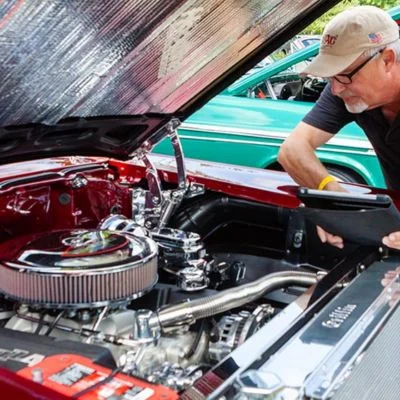
Before placing a deposit on a classic or vintage vehicle, it’s wise to schedule an AAG Pre-Purchase Inspection. This allows our inspector to meet the seller in person, confirm the vehicle exists, and verify that its condition matches the listing. Be sure to request that the seller cooperate with the inspection process and allow full access for photos, test drive, and documentation review.
Once you receive the inspection results, you can use them as a negotiation tool or choose to walk away if serious issues are found. A professional, third-party report gives you the confidence to make an informed decision and protects you from misrepresentation.
It’s also a smart idea to retain the inspection report as part of the vehicle’s historical documentation. These records can support insurance needs, streamline future registration, and increase buyer confidence when you decide to sell.
For owners looking to sell, AAG also offers a Resale Value Appraisal that helps establish a professionally researched value for your vehicle when it’s time to market or sell. This can reassure buyers, strengthen your listing, and serve as a key piece of documentation in your sales package.
Whether buying or selling a classic or vintage vehicle, being informed is your best defense. The world of collector cars is full of passionate enthusiasts and rewarding ownership, but it’s also a target for fraudulent activity.
You don’t have to navigate it alone. The AAG team is here to help you buy and sell with confidence, avoid scams, and protect one of the most exciting investments you’ll ever make. Because when it comes to vintage vehicles, protection and peace of mind matter just as much as the ride itself.